


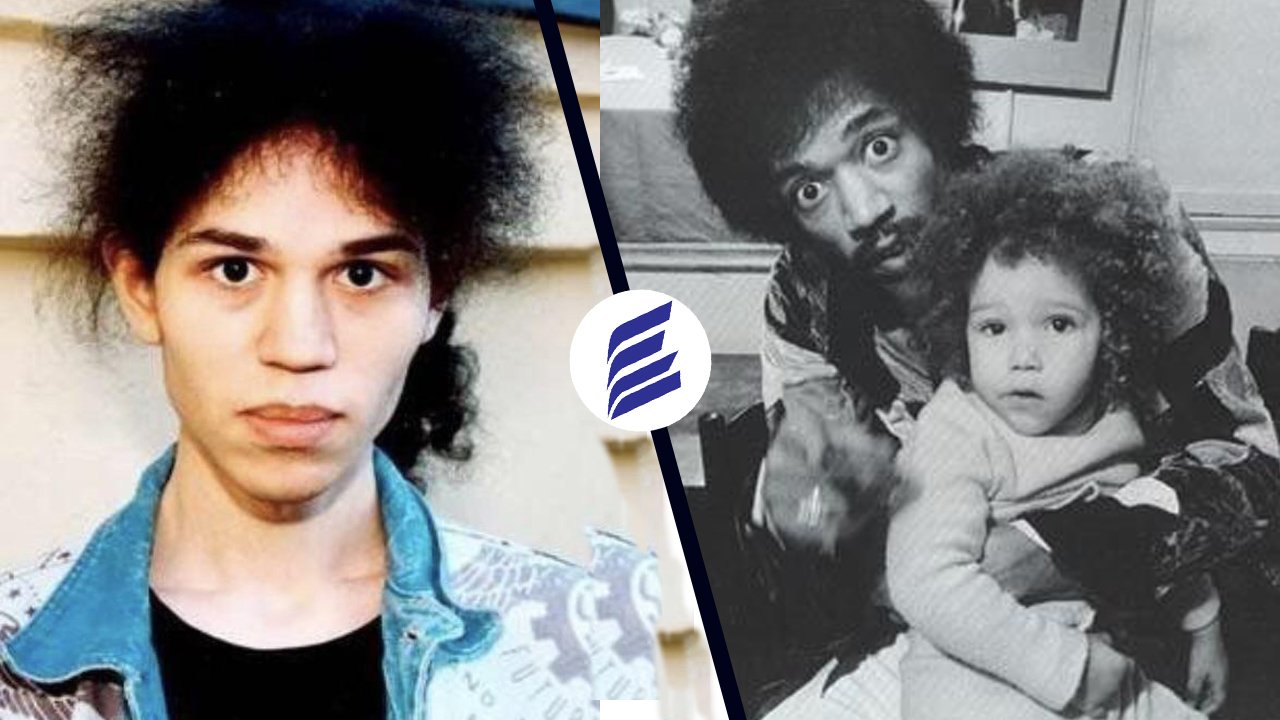
James Daniel Sundquist is a Swedish man who has spent much of his adult life at the centre of one of rock music’s longest running paternity disputes, claiming to be the son of guitarist Jimi Hendrix. Born in Stockholm in 1969, less than a year before Hendrix’s death, Sundquist was recognised as Hendrix’s son by a Swedish court in 1975, yet a United States court later rejected his claim to any share of the guitarist’s estate, leaving his story caught between official recognition in one country and legal denial in another.
This article brings together the verified, documented facts of James Daniel Sundquist’s life, including the origins of the paternity claim, the legal battles that followed, and what has been reported about his life since. It draws on consistent, cross checked reporting rather than the exaggerated or invented claims that circulate on lower quality sites, so readers can understand a genuinely complicated story with accuracy.
James Daniel Sundquist Bio Table
| Detail | Information |
|---|---|
| Full Name | James Daniel Sundquist |
| Date of Birth | 5 October 1969 |
| Place of Birth | Stockholm, Sweden |
| Known For | Claimed son of musician Jimi Hendrix |
| Mother | Eva Sundquist |
| Claimed Father | Jimi Hendrix (died 18 September 1970) |
| Swedish Court Recognition | Granted in 1975 |
| US Court Ruling | Rejected his estate claim in 1994 for lack of a paternity test |
| Nationality | Swedish |
| Current Public Status | Private; resides in Stockholm |
Who Is James Daniel Sundquist?
James Daniel Sundquist was born on 5 October 1969 in Stockholm, Sweden, to a Swedish mother, Eva Sundquist. His mother has stated that she had a brief relationship with Jimi Hendrix in 1968 and 1969, after the two reportedly met on a tram in Stockholm during one of Hendrix’s visits to the city. Hendrix died on 18 September 1970, before James was even a year old, meaning father and son never met.
Despite that, a Swedish court formally declared James to be Jimi Hendrix’s son in 1975, a ruling based on Swedish legal standards of the time rather than genetic testing, which was far less advanced and less commonly used in paternity cases during that era. That recognition gave Sundquist a documented, court backed claim to being Hendrix’s child in his home country, even though it would later prove insufficient to secure any share of the guitarist’s estate in the United States.
Jimi Hendrix: A Brief Introduction
Jimi Hendrix remains one of the most influential guitarists in the history of popular music, known for reshaping what the electric guitar could do through albums such as “Are You Experienced” and legendary live performances, including his set at the Woodstock festival in 1969. His career, though extraordinarily influential, was also brief, as he died in London in September 1970 at the age of 27.
Hendrix’s sudden death left behind a valuable estate and catalogue of unreleased material, which became the subject of extensive legal disputes in the decades that followed, involving his father, Al Hendrix, various business partners, and several individuals who claimed direct family ties to the guitarist. Sundquist’s case became one of the most publicised of these paternity related claims, largely because of the Swedish court recognition that set it apart from many other unverified claims made over the years.
The Paternity Claim and Legal Battle
In 1994, James Daniel Sundquist pursued a legal claim in the United States, seeking recognition as an heir to Jimi Hendrix’s estate. The case was heard in Los Angeles Superior Court, where the central issue was whether Sundquist could provide the kind of proof American courts required, specifically a scientifically verified paternity test, rather than relying solely on the earlier Swedish court ruling from 1975.
The court ultimately rejected his claim, finding that no paternity test had been conducted to confirm biologically that Hendrix was his father. As a result, the estate passed to Al Hendrix, Jimi’s father, who went on to establish Experience Hendrix, the company that has managed the guitarist’s music and legacy in the decades since. Sundquist’s Swedish court recognition, while legally significant at home, did not carry the same evidentiary weight in the American legal system.
Following the ruling, Sundquist made a public statement that has been quoted in multiple retrospectives of the case: “I’m not angry with Al. I just feel I’ve been treated unfairly. I want people to know that I am not a fake.” The comment reflected both his continued belief in his paternity claim and a notably measured, non-confrontational response to a legal defeat that closed off any financial claim to his alleged father’s estate.
Willingness to Undergo DNA Testing
In statements made around the time of his legal battle, Sundquist indicated an openness to undergoing DNA testing if it would help settle the dispute definitively, saying that while the idea was difficult, it might be the only way to resolve the uncertainty surrounding his parentage. Public records do not clearly confirm whether a conclusive DNA test was ever completed and made public, and reporting on this specific point is inconsistent across available sources.
This uncertainty is part of what has kept Sundquist’s story a subject of ongoing interest among Hendrix historians and fans, since the case represents one of the few paternity claims connected to the guitarist that received formal court recognition somewhere in the world, even as it fell short of the standard required to succeed in the United States.
Life in Sweden
Since the legal battle concluded, James Daniel Sundquist has lived a largely private life in Stockholm, avoiding the kind of sustained media attention that might be expected of someone connected, even in disputed fashion, to one of the most famous musicians of the twentieth century. He has not pursued a public career in music and has generally declined to give extensive interviews about his connection to Hendrix.
That preference for privacy stands in contrast to some other individuals who have claimed family ties to famous musicians and pursued sustained public attention as a result. Sundquist’s approach has instead been closer to quiet withdrawal following the conclusion of his legal case, with most subsequent public information about him coming through his mother’s occasional comments to media outlets rather than his own statements.
Reported Gender Transition
In the early 2000s, Sundquist’s mother, Eva, spoke to media outlets about her child undergoing a gender transition, describing the process as difficult and noting that such matters remained a source of stigma at the time. Some reports from that period referenced a name change, though Sundquist himself has never publicly confirmed or discussed this aspect of his life directly, and it has not been the subject of any verified, on record statement from him personally.
Given the deeply personal nature of this information and the absence of any direct public confirmation from Sundquist himself, readers should treat detailed claims about his current identity with appropriate caution. What can be said accurately is that his mother discussed a transition in media interviews decades ago, and that Sundquist has continued to live privately in Stockholm since that time, largely outside public commentary on the matter.
Other Claimed Children of Jimi Hendrix
Sundquist’s case is one of several paternity claims connected to Jimi Hendrix that surfaced in the years and decades following his death. Given his relatively short but eventful touring career across Europe and North America during the late 1960s, a number of individuals over the years have come forward asserting a biological connection to the guitarist, with varying degrees of legal or documentary support behind their claims.
Most of these cases never reached the level of formal legal recognition that Sundquist achieved through the Swedish court system in 1975, making his case comparatively unusual within this broader group of claimants. Even so, the fact that Swedish recognition did not translate into a successful claim in the United States highlights just how significant the gap can be between a formal ruling in one jurisdiction and the specific evidentiary standards required elsewhere, particularly in cases involving a valuable estate with competing interests.
Al Hendrix and, later, the team behind Experience Hendrix have generally maintained a firm position regarding claims of this nature, insisting on scientifically verified paternity testing as the standard for recognising any additional heirs. That consistent legal position has shaped the outcome of Sundquist’s case and others like it, regardless of the personal conviction of the individuals involved or any recognition granted by courts outside the United States.
The Broader Legal Fight Over Hendrix’s Estate
Jimi Hendrix died without a will, a fact that set the stage for decades of legal complexity surrounding his estate, catalogue, and name rights. In the years following his death, control of these assets passed through several hands, including early management figures and eventually Al Hendrix, before the family established Experience Hendrix as a dedicated entity to manage the guitarist’s legacy on a long term basis.
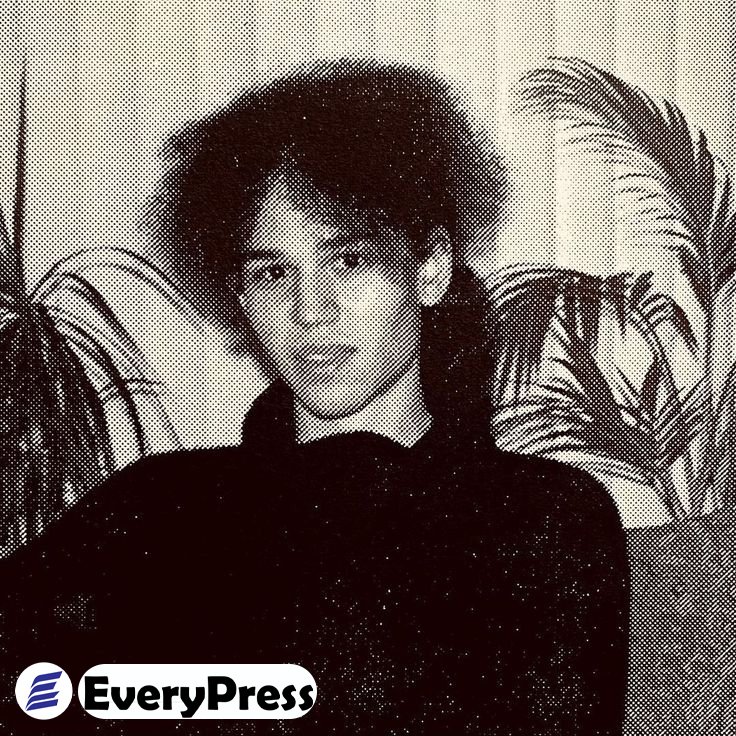
This backdrop of prolonged legal uncertainty is important context for understanding Sundquist’s case, since his 1994 lawsuit arrived amid a broader period when the ownership and management of Hendrix’s estate were still being firmly established. Successfully defending against paternity claims like Sundquist’s was, from the estate’s perspective, part of a wider effort to create legal clarity around exactly who held rights to Hendrix’s name, music, and likeness going forward.
That wider legal context also explains why the case attracted more attention than a typical, quickly dismissed paternity dispute might otherwise receive. It became part of the historical record documenting how Hendrix’s estate was consolidated and protected in the decades after his death, giving Sundquist’s story a lasting place in broader accounts of the guitarist’s posthumous legacy.
Coverage of the Case Over the Decades
Media interest in Sundquist’s story has resurfaced periodically over the years, particularly around anniversaries of Hendrix’s death or major releases connected to his catalogue. Documentaries and retrospective articles examining Hendrix’s life have occasionally revisited the case as an example of the complicated personal and legal questions that followed the guitarist even decades after his death.
This periodic renewed interest has also meant that inaccurate or exaggerated versions of the story have had repeated opportunities to spread, particularly online, where lower quality biography sites often republish outdated or embellished claims without verifying them against original court records or contemporaneous reporting from the time of the actual legal proceedings.
For readers seeking an accurate account, the most reliable details remain those consistently reported across multiple contemporaneous sources: the 1975 Swedish paternity recognition, the 1994 rejection of his claim in Los Angeles Superior Court, and his subsequent decision to live privately in Stockholm rather than pursue further public attention connected to the case.
Common Misconceptions About James Daniel Sundquist
A number of inaccuracies circulate about Sundquist’s story, often exaggerating or oversimplifying the legal outcome of his case. Some sites incorrectly state that he won his lawsuit or received a settlement from the Hendrix estate, when in fact the Los Angeles Superior Court ruled against him in 1994, and the estate passed entirely to Al Hendrix.
Other sources conflate Sundquist’s case with other individuals who have claimed to be Jimi Hendrix’s children over the years, a group that has included several other unverified claimants across different countries. Sundquist’s case is distinct primarily because of the 1975 Swedish court recognition, a detail that does not apply to most of the other paternity claims connected to Hendrix over the decades.
Some articles also present speculative net worth figures or detailed present day biographical claims about Sundquist without citing credible, named sources. Because he has lived so privately since the 1990s, such specific claims should be approached with scepticism unless supported by verifiable reporting.
Why This Story Still Draws Interest
Interest in James Daniel Sundquist’s story persists because it touches on enduring questions about Jimi Hendrix’s legacy, an estate that has remained a subject of legal and commercial interest for more than five decades since his death. Any claim connected to that estate, particularly one that received formal court recognition somewhere in the world, tends to attract renewed attention whenever Hendrix’s life and legacy are revisited in documentaries, biographies, or anniversary retrospectives.
The case also serves as a notable example of how legal standards for paternity varied significantly between countries in the twentieth century, with Sweden’s 1975 ruling relying on different evidentiary standards than the DNA based proof later required by the Los Angeles court in 1994. That gap between two separate legal systems reaching different conclusions about the same relationship is part of what makes the case a recurring reference point in discussions of Hendrix’s estate and legacy.
Conclusion
James Daniel Sundquist’s story remains one of the more legally documented, yet ultimately unresolved, paternity claims connected to Jimi Hendrix. Recognised as Hendrix’s son by a Swedish court in 1975 but denied any claim to the guitarist’s estate by an American court in 1994, Sundquist has spent the decades since living privately in Stockholm, largely apart from the public discussion his case continues to generate among Hendrix historians and fans. His story stands as a reminder of how differently paternity, and the rights that can follow from it, can be treated depending on the legal system involved.
Frequently Asked Questions
Who is James Daniel Sundquist?
James Daniel Sundquist is a Swedish man who claims to be the son of musician Jimi Hendrix. A Swedish court recognised him as Hendrix’s son in 1975, though a US court rejected his claim to the Hendrix estate in 1994.
Did Jimi Hendrix ever meet James Daniel Sundquist?
No. Hendrix died in September 1970, when Sundquist was less than a year old, and the two never met.
Why did the US court reject Sundquist’s claim?
The Los Angeles Superior Court found that no scientifically verified paternity test had been conducted to confirm Hendrix was his biological father, which American courts required for an estate claim.
Who inherited Jimi Hendrix’s estate?
Following the 1994 ruling against Sundquist, the estate passed to Jimi Hendrix’s father, Al Hendrix, who later established the company Experience Hendrix to manage the musician’s legacy.
Did James Daniel Sundquist ever take a DNA test?
He indicated a willingness to undergo DNA testing during his legal battle, though public records do not clearly confirm whether a conclusive test was ever completed and made public.
Where does James Daniel Sundquist live now?
Available reporting indicates he has continued to live privately in Stockholm, Sweden, largely out of the public eye since his legal case concluded in the 1990s.